Most South Asia strategies begin in Mumbai, Bengaluru or Delhi. That is reasonable. It is also incomplete.
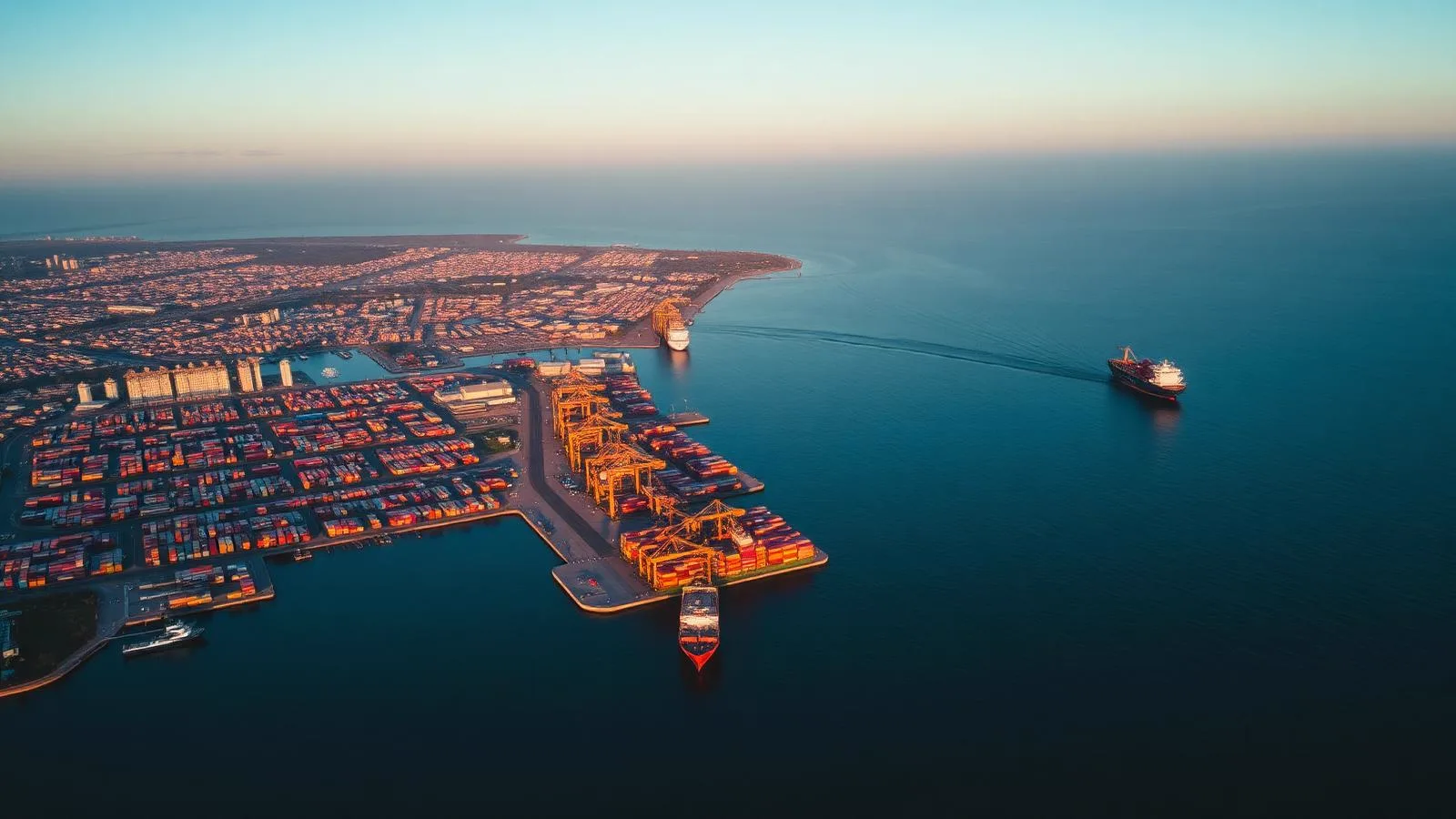
Sri Lanka sits on the major Indian Ocean trade lanes, in the position where Western and Asian business hours overlap. A Colombo working day reaches Singapore in the morning, the Gulf through the middle of the day, and Northern Europe through the afternoon. Very few places manage all three from one desk.
This article argues that Colombo deserves a place in a regional plan as a base, not only as a destination. It also states the caveat plainly, because analysts do.
The Port City argument
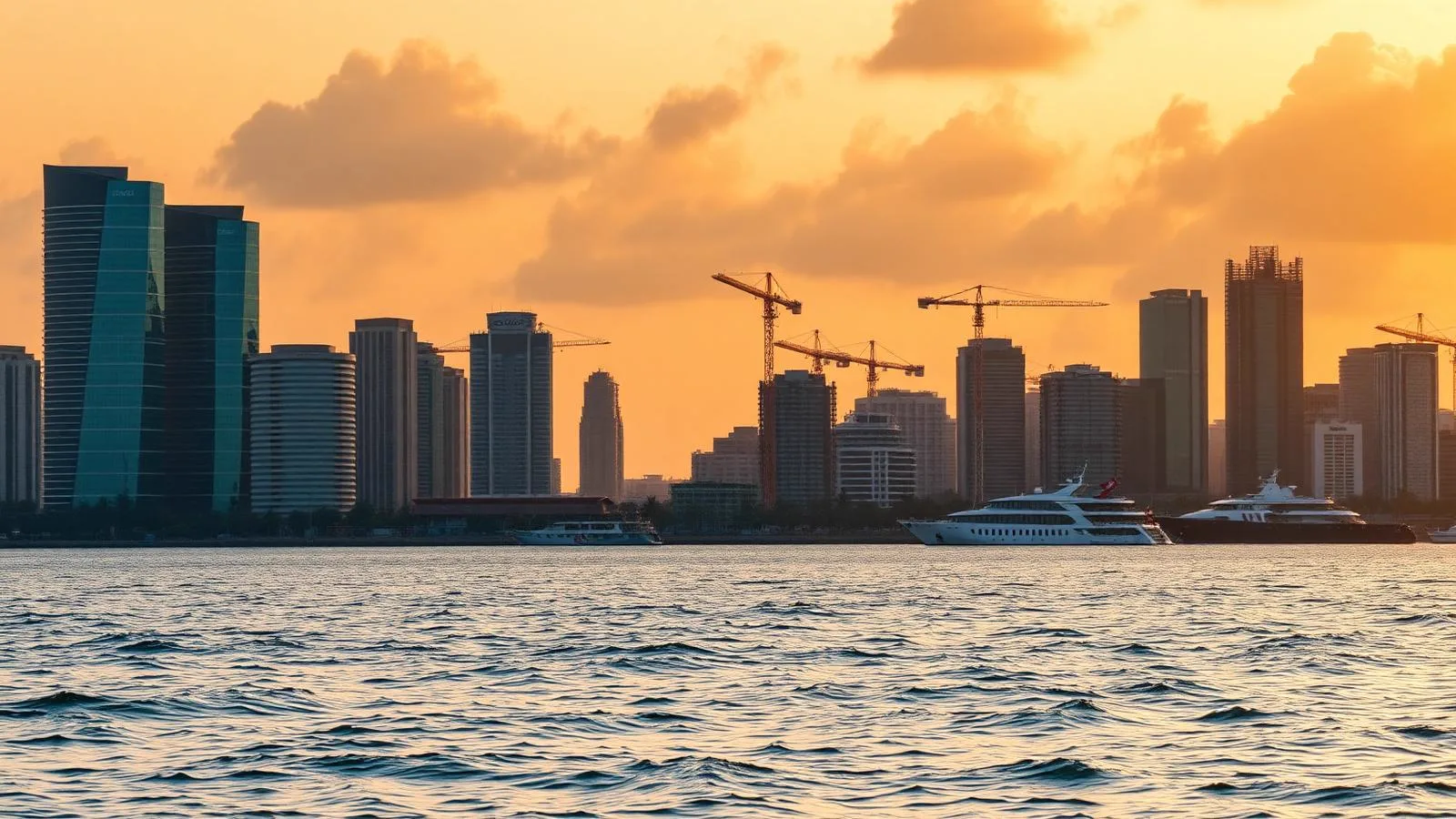
Port City Colombo is a 269-hectare special economic zone built on reclaimed land beside the existing commercial district. A growing pipeline of approved projects has entered construction, with further investment under discussion.
Port City Colombo continues to approve new Businesses of Strategic Importance projects. That designation matters because it defines the regulatory and incentive framework a company operates under.
International firms are already present. KPMG and Hexaware are among them. Professional services and IT services tend to arrive first in a new hub, because their capital requirements are low and their talent requirements are high. Their presence is a read on talent availability more than on tax treatment.
The macro picture, stated carefully
The central bank's 2026 growth forecast sits at 4 to 5 percent. Foreign reserves are approximately USD 6.6 billion as of July 2026, a post-crisis high.
Both figures deserve the same reading. They describe a recovery that is real and still young. Reserves at a post-crisis high are reserves that were recently much lower. A 4 to 5 percent forecast is healthy for the region and depends on continued fiscal discipline.
Connectivity is the underrated asset
A regional base is only useful if you can leave it easily.
SriLankan Airlines operates around 90 weekly flights to nine Indian cities. For a company managing Indian operations, that density means a Colombo base is functionally a suburb of the Indian market, with a different regulatory environment and a different cost structure.
Bandaranaike International Airport is undergoing a Terminal 2 expansion. Capacity constraints have been a genuine friction point at peak season. The expansion addresses that directly.
Where Colombo fits in a South Asia plan
Three configurations recur.
The regional holding base. Corporate structure, treasury and regional management in Colombo, operations distributed across South Asia. The overlap in business hours is the reason.
The delivery centre. Engineering, finance or shared services capacity in Colombo, serving European clients. The talent pool supports it and the time zone suits Northern Europe better than East Asia does.
The second-site hedge. For firms with concentrated Indian exposure, a smaller Colombo site provides continuity without leaving the region.
The caveat analysts raise
Execution risk. It is the correct concern and it should not be softened.
Sri Lanka has announced ambitious economic zones before. The distinguishing feature of the current cycle is that approved projects have moved into construction and that named international firms have taken space. Those are observable facts rather than intentions. They are not yet a completed record.
A reasonable posture is a serious first visit, a mapped set of counterparties, and a decision timeline that matches the pace of the build rather than the pace of the announcements.
Come and look
Assessments of this kind are made in person. We arrange executive visits to Colombo with the meetings, transport and hospitality handled, and an extension if you want to see the rest of the island while you are here.
Related reading
Frequently asked questions
+Why consider Colombo as a regional base rather than only a destination?
Sri Lanka sits on major Indian Ocean trade lanes where Western and Asian business hours overlap. A Colombo working day reaches Singapore in the morning, the Gulf at midday and northern Europe in the afternoon.
+What is Port City Colombo?
Port City Colombo is a 269-hectare special economic zone beside the existing business district. A growing pipeline of approved projects has entered construction, with further investment under discussion.
+Are international firms already present?
Yes. KPMG and Hexaware are among the international firms already operating there. Port City Colombo continues to approve new Businesses of Strategic Importance projects.
+What does the macro picture look like?
The central bank forecasts growth of 4 to 5 percent for 2026, with foreign reserves approximately USD 6.6 billion as of July 2026, a post-crisis high. Both figures describe a recovery that is real but still young.
+How good is connectivity to India?
SriLankan Airlines operates around 90 weekly flights to nine Indian cities. Bandaranaike International Airport is expanding with a Terminal 2 project.
+What is the main risk analysts raise?
Execution risk. Sri Lanka has announced ambitious zones before. What differs now is that approved projects have entered construction and named international firms have taken space.