There is a version of responsible travel that is mostly language. Linen signs in bathrooms. A carbon figure in a booking confirmation.
There is another version that is structural. It concerns where money lands when a traveller spends it, and whether the country that hosts them is building something durable. Sri Lanka is a useful case, because the national direction and the luxury travel model happen to point the same way.
The energy position is stronger than most visitors assume
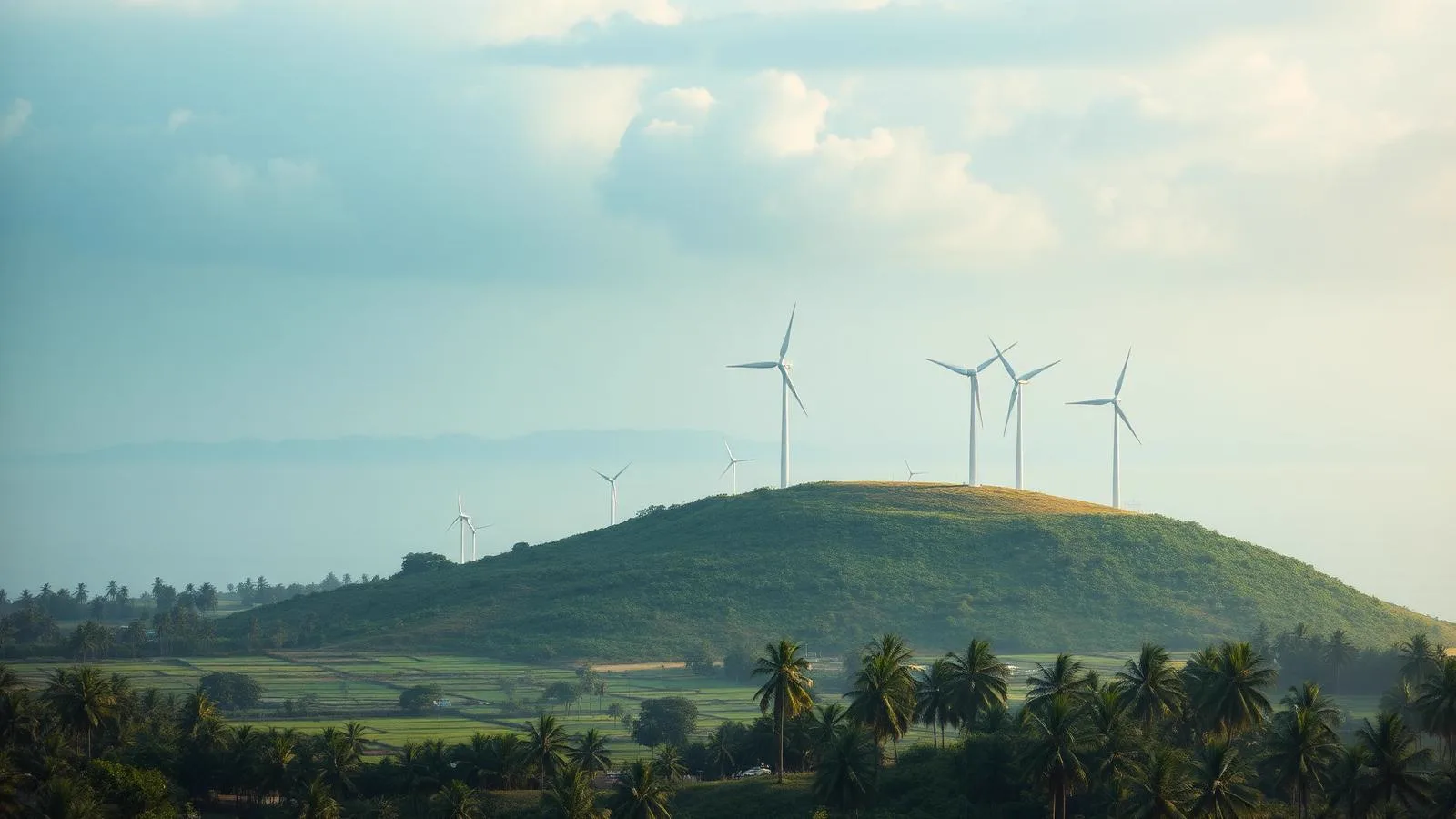
Close to half of Sri Lanka's electricity comes from renewable sources in a typical year, largely hydro with a growing wind and solar contribution. The national targets are 70 percent renewable power by 2030 and carbon neutrality by 2050.
An offshore wind assessment is underway in the north with support from the Asian Development Bank. The northern coastline has strong and consistent wind resources. If that assessment converts into capacity, it changes the national generation mix rather than adding to it at the margin.
For a business traveller weighing the footprint of a trip, this is the honest framing. The flight remains the dominant emission. The ground portion of a Sri Lankan itinerary sits on a grid that is already about half renewable and is on a stated path to more.
Economic leakage is the quieter issue
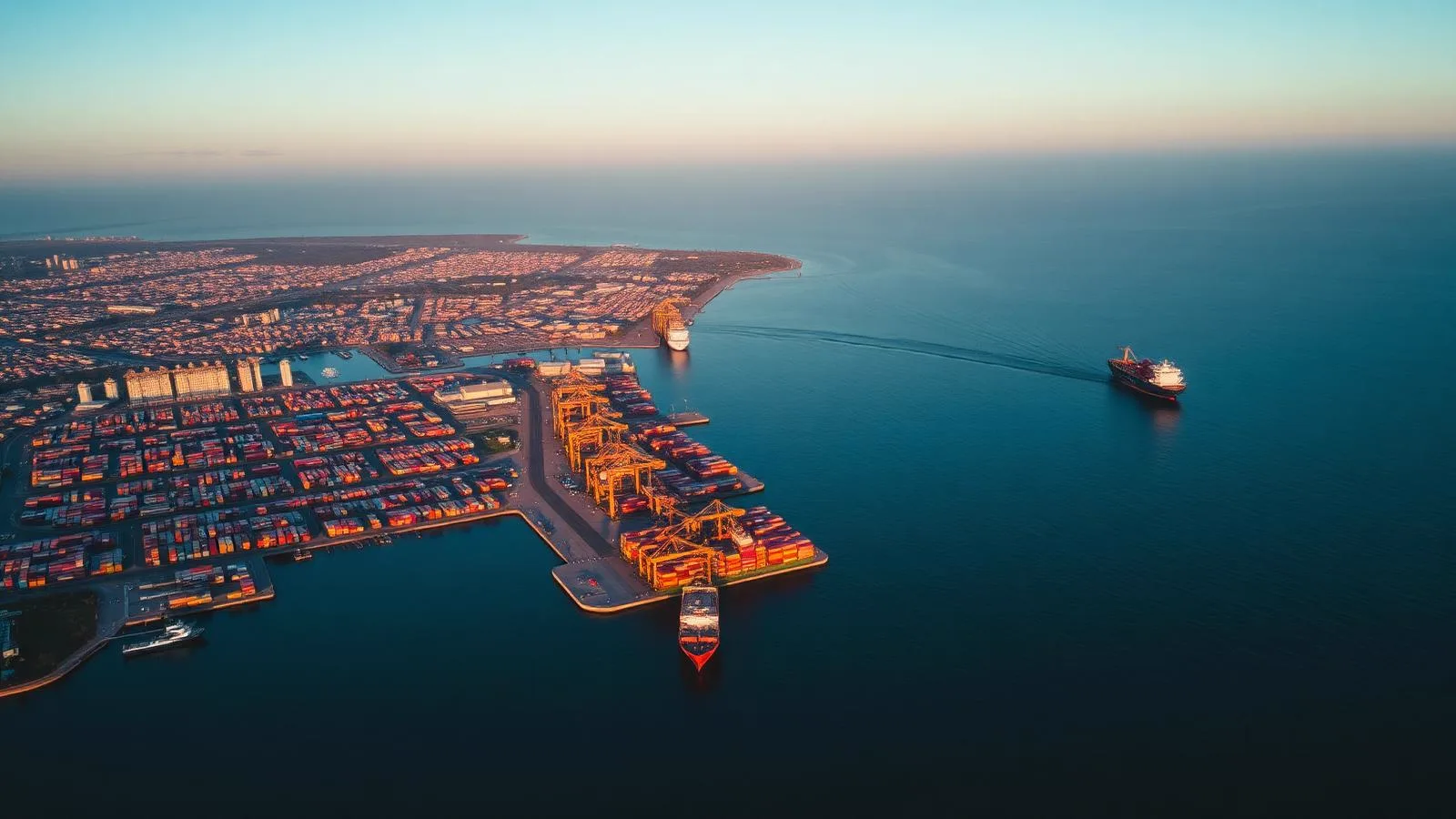
In many destinations, a large share of what a visitor spends leaves the country almost immediately. Imported food. Foreign-owned operators. Imported furnishings and consumables. The term for this is economic leakage, and it is the reason tourism revenue and local prosperity often diverge.
The Sri Lankan government is incentivising local sourcing by hotels to reduce that leakage. The 2026 budget also included incentives for small and medium enterprises investing in green technology. That combination targets the supply chain rather than the guest, which is where the leverage actually sits.
A hotel that buys its vegetables, fish, textiles and ceramics locally converts a night's stay into income for several households. A hotel that imports everything converts the same night into a smaller local number.
The pivot to high-value travel
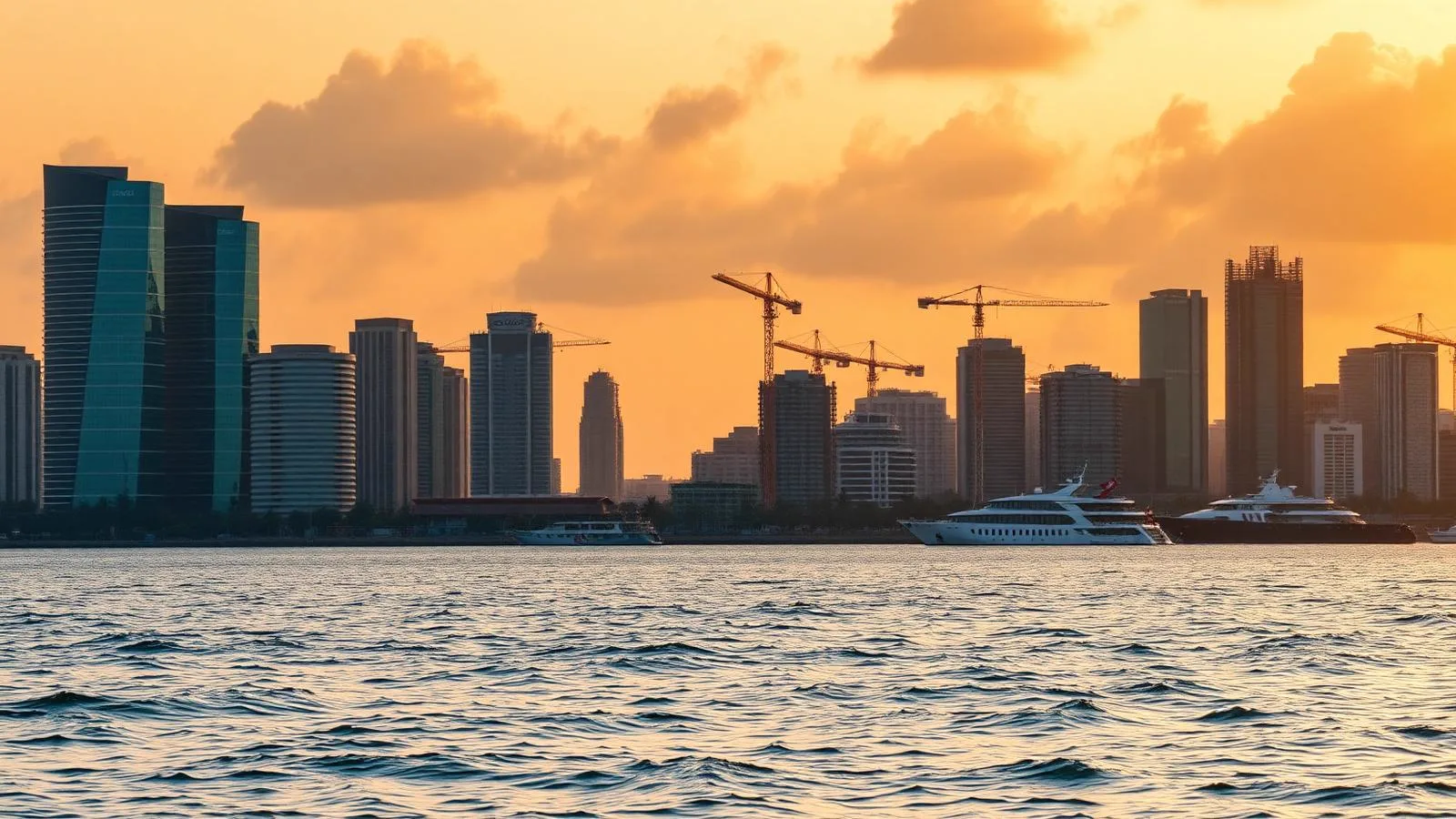
Sri Lanka's tourism strategy has moved towards high-value segments, including luxury, wellness and MICE, rather than pursuing volume.
This is not a marketing preference. It is an arithmetic one. Volume tourism places load on roads, water, waste systems and protected wildlife areas, and it distributes revenue thinly. Fewer travellers spending more, staying longer, and using local suppliers place less physical load per unit of economic contribution.
For the responsible business traveller, the conclusion is unusually simple. Choosing the high-value, locally-sourced version of a trip is not the more indulgent choice. In this market, it is the higher-contribution one.
What that looks like in practice
A few decisions carry most of the weight.
Stay longer in fewer places. Long transfers are the largest controllable emission on the ground, and short stays fragment local spend.
Choose properties that source locally and say so specifically. Named suppliers and regions are a better signal than a sustainability page.
Use local guides, drivers and naturalists rather than imported staff. The knowledge is better and the money stays.
Where a trip includes an event or a conference, extend it rather than repeating the flight. One longer journey outperforms two shorter ones on every measure that matters.
Our commitment
Lux Ceylon operates only in legitimate commerce. We work with licensed properties, registered suppliers and properly employed guides and drivers. We do not facilitate arrangements that fall outside the law of Sri Lanka or the law of our guests' home countries, and we decline work that would require it.
We source locally where a local supplier can meet the standard, and we say plainly when one cannot. Responsible facilitation, for us, means accurate information, fair terms for the people who deliver the experience, and a clear account of what a journey involves before it is booked.
Related reading
Frequently asked questions
+How much of Sri Lanka's electricity is renewable?
Roughly half of Sri Lanka's electricity already comes from renewable sources. National targets are 70 percent renewable power by 2030 and carbon neutrality by 2050.
+Is new renewable capacity being developed?
An offshore wind assessment is underway in the north with Asian Development Bank support. The northern coast has strong and consistent wind resources.
+What is economic leakage and why does it matter?
Leakage is the share of visitor spending that leaves the country almost immediately through imports and foreign-owned operators. The government is incentivising local sourcing by hotels to reduce it, and the 2026 budget added incentives for SMEs investing in green technology.
+Why has Sri Lanka shifted to high-value tourism?
The tourism strategy has pivoted to high-value segments such as luxury, wellness and MICE over volume. Fewer travellers who spend more and stay longer place less load per unit of economic contribution.
+What can a business traveller actually do?
Stay longer in fewer places, choose properties that can name their local suppliers, hire local guides and drivers, and extend an existing trip rather than repeating the flight.